

Harshil Shah
Developer & Founder
Ahmedabad, India
Harshil Shah
Developer & Founder · Stax
Harshil is the developer and founder of stax.tools — a collection of 235+ free, privacy-first tools that run entirely in your browser. No uploads, no accounts, no data leaving your device. Built with Next.js, TypeScript, and Tailwind CSS.
He writes about developer tools, browser APIs, privacy-first architecture, and practical engineering patterns for web applications. Based in Ahmedabad, India.
ARTICLES
Posts by Harshil
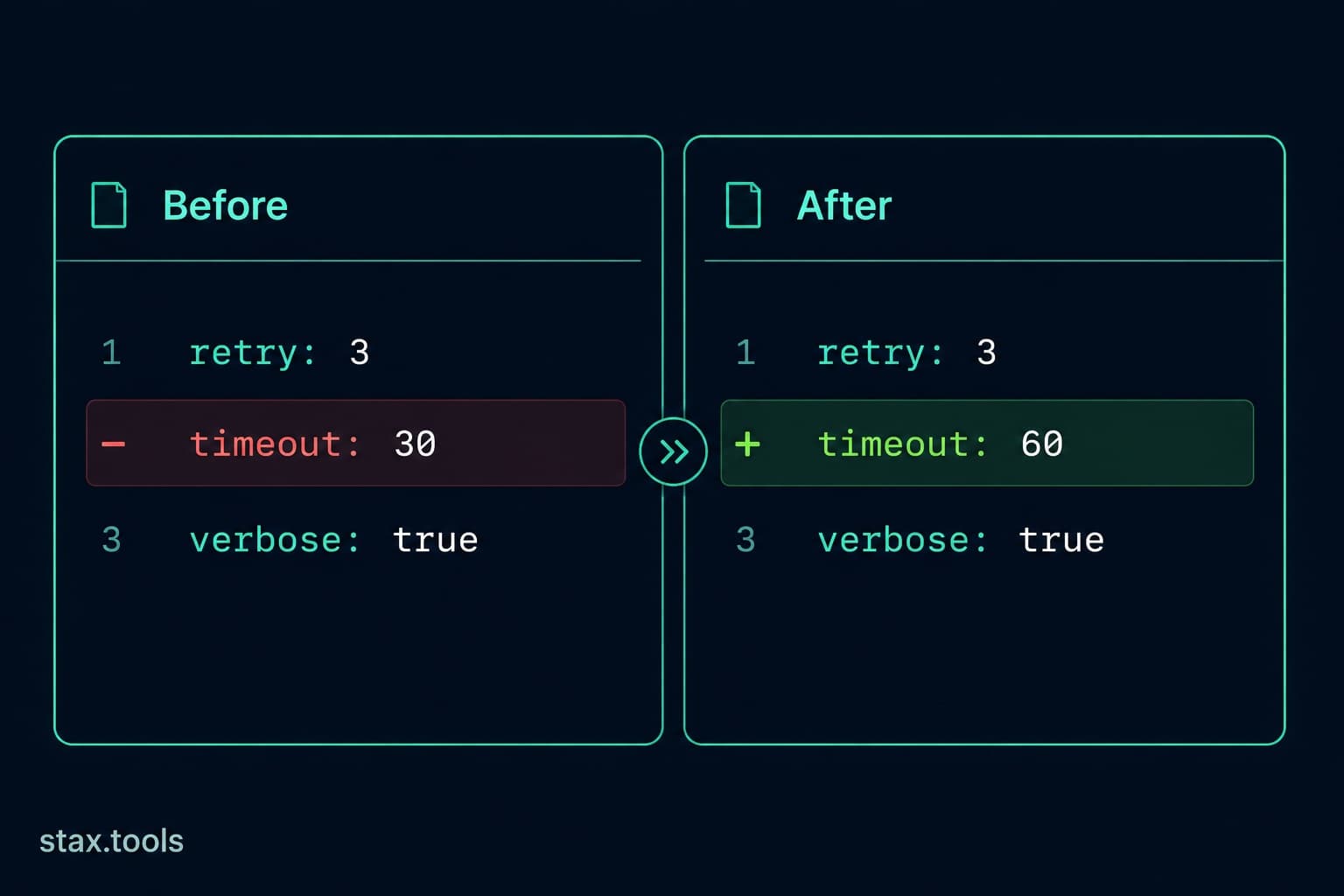
Diff Checker: What It Is, How It Works, and 6 Use Cases Beyond Code Review
A side-by-side comparison of diff algorithms, how unified and split diff formats work, why character-level diffs matter for text editing, and practical use cases for diff checkers outside of version control.
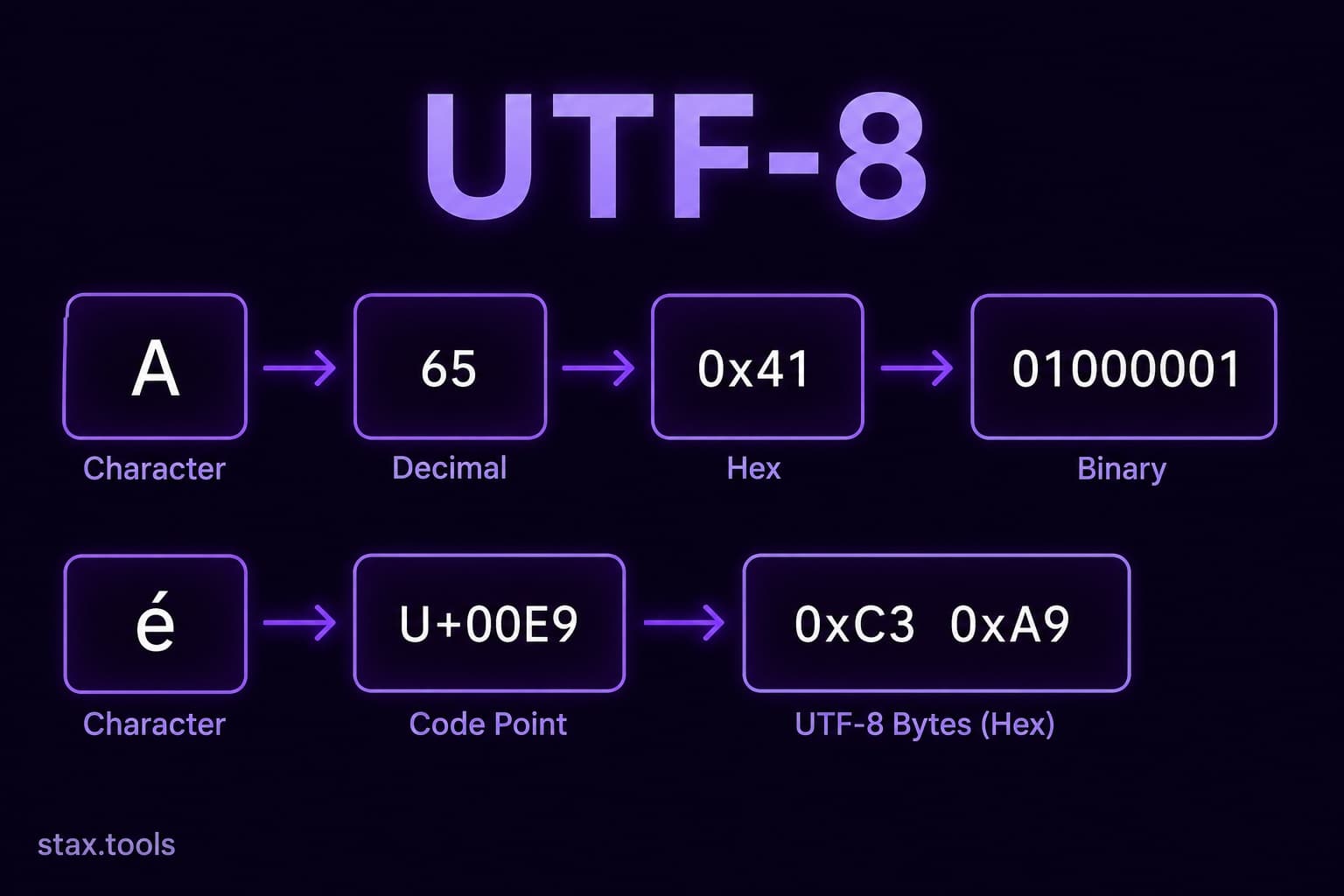
UTF-8, Unicode, and Character Encoding: What Every Developer Needs to Know
Why mojibake happens, how Unicode code points map to UTF-8 bytes, the difference between ASCII, Unicode, and UTF-8, and why 'just use UTF-8 everywhere' is correct advice but still requires understanding.
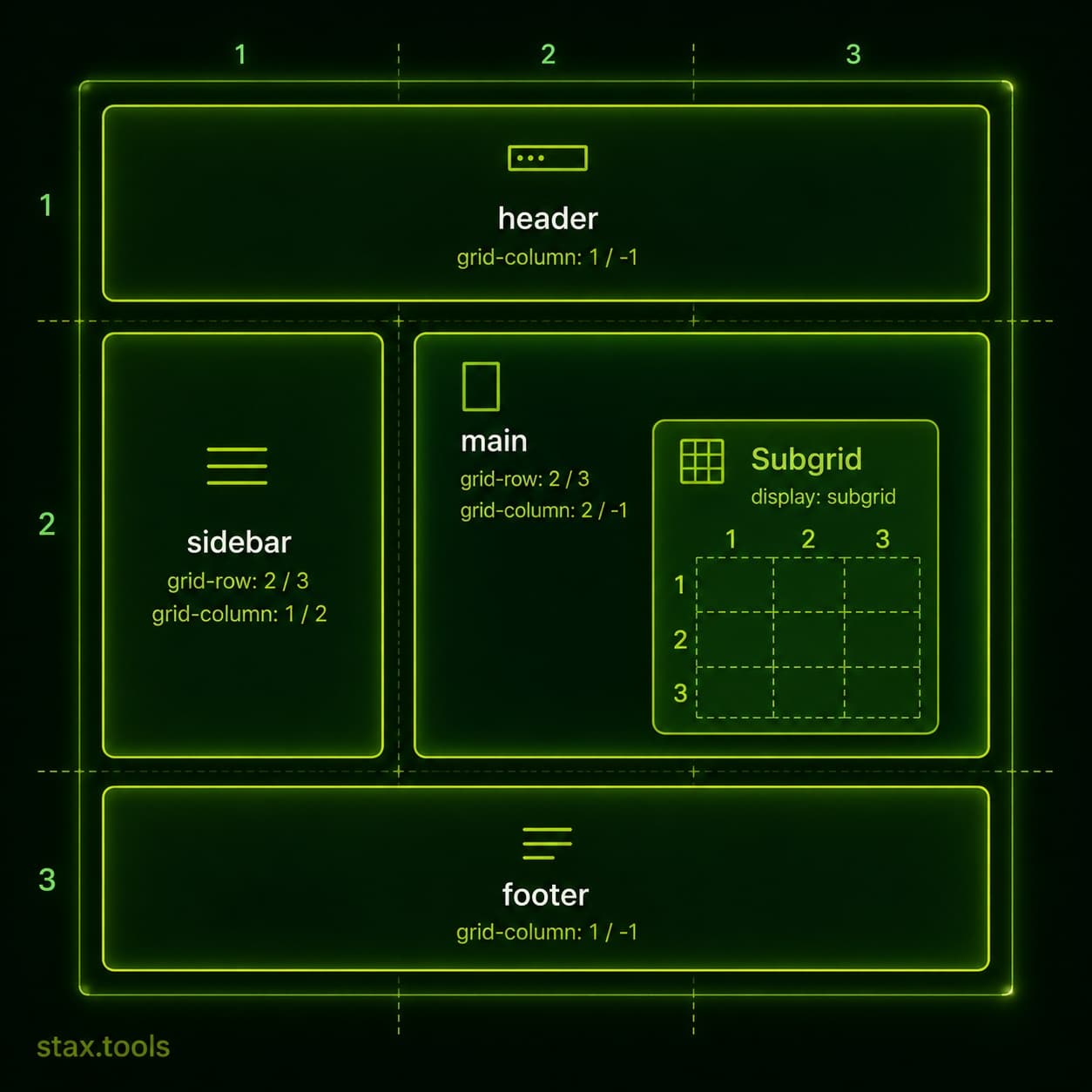
CSS Grid in 2026: Subgrid Is Everywhere — Here's How to Actually Use It
CSS Subgrid reached full cross-browser support in 2023 and is changing how developers build complex layouts. This guide covers the Grid fundamentals you need, how Subgrid solves the alignment problem, and when Grid beats Flexbox.
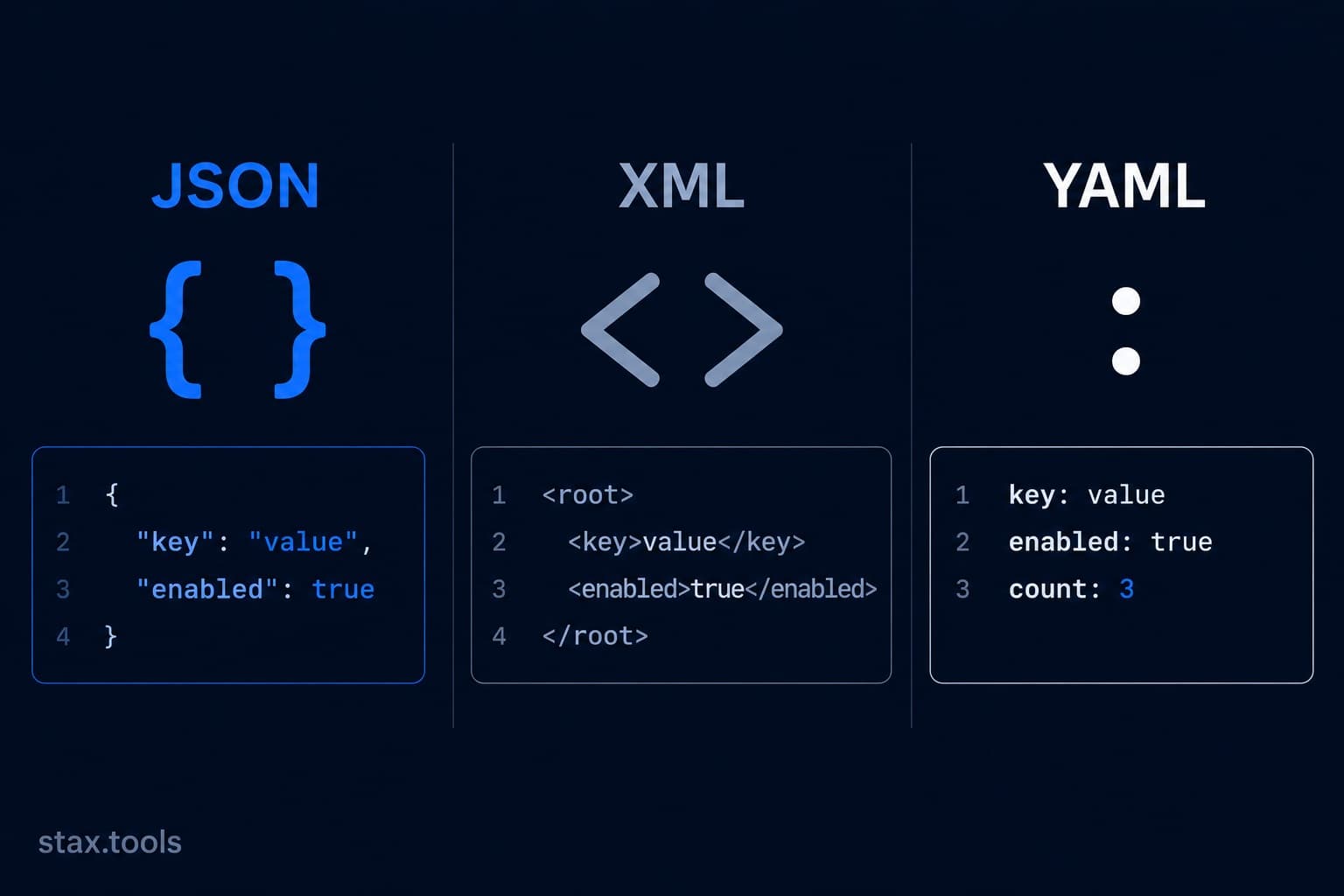
JSON vs XML vs YAML: A Practical Guide to Choosing the Right Data Format
When should you use JSON, XML, or YAML? A scenario-first comparison covering syntax, use cases, performance, human readability, schema validation, and the one situation where each format wins.
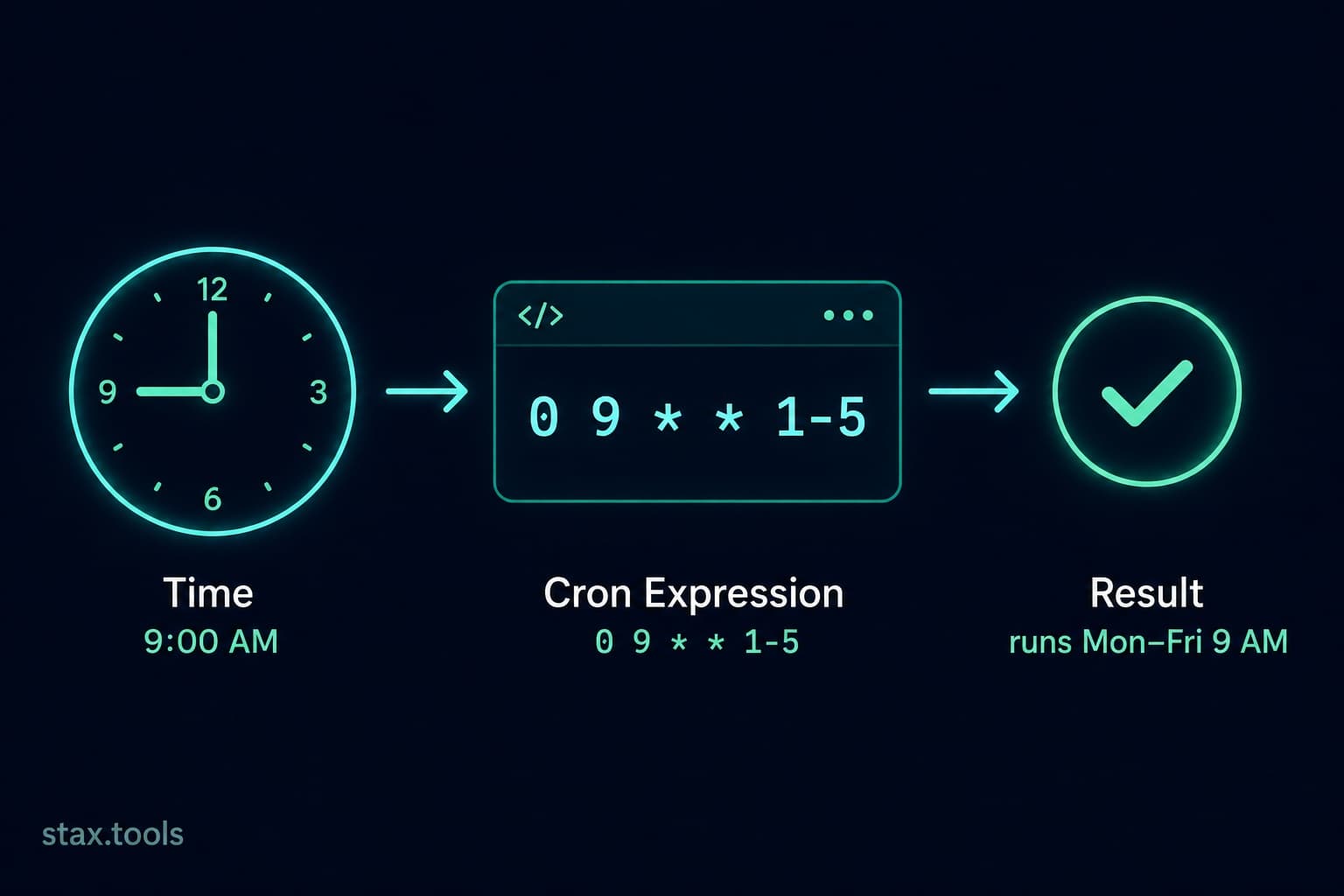
How to Read and Write a Cron Expression: The Complete Guide
Step-by-step guide to understanding cron syntax — the five fields, special characters, common patterns, timezone pitfalls, and how to validate expressions before deploying.
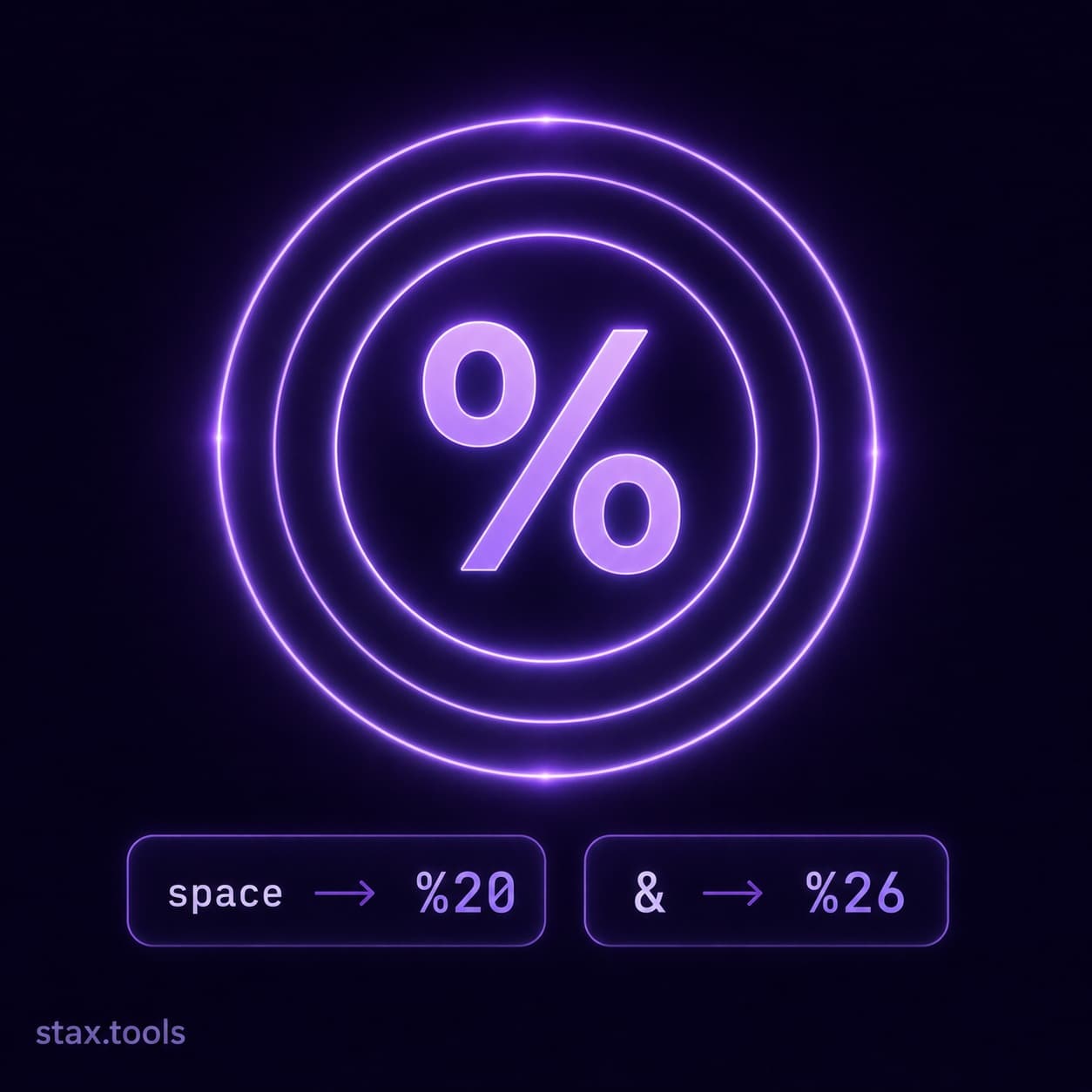
URL Encoding Explained: Why Your Links Break and How Percent-Encoding Fixes Them
What percent-encoding actually is, which characters must be encoded in a URL and why, the difference between encodeURI and encodeURIComponent in JavaScript, and common bugs it causes in production.
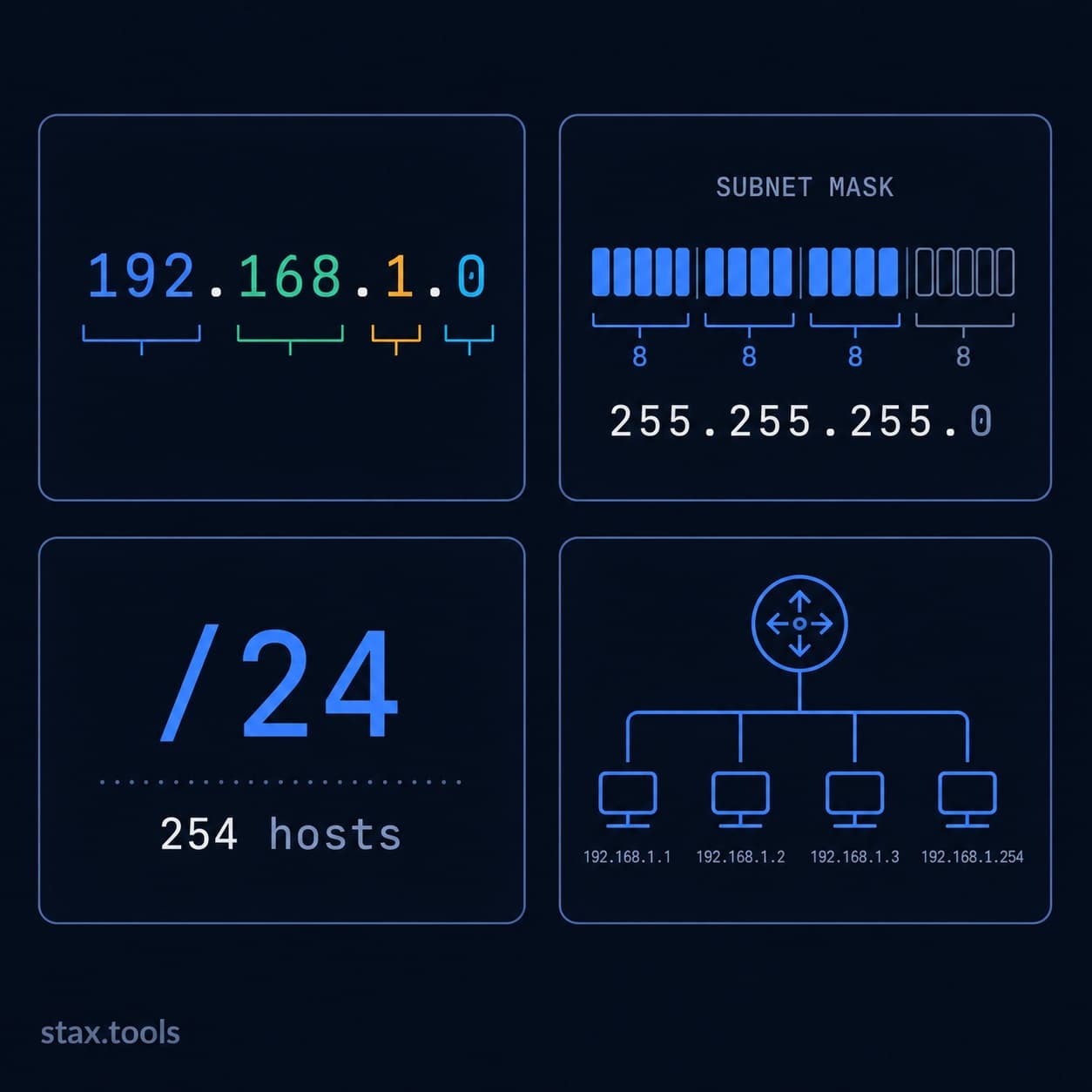
How to Read an IP Address, Subnet Mask and CIDR Block (Without Being a Network Engineer)
FAQ-style explainer: what the four octets in an IP address mean, what /24 and /16 CIDR notation does, how to calculate broadcast address and usable host range, and when you need a subnet calculator.
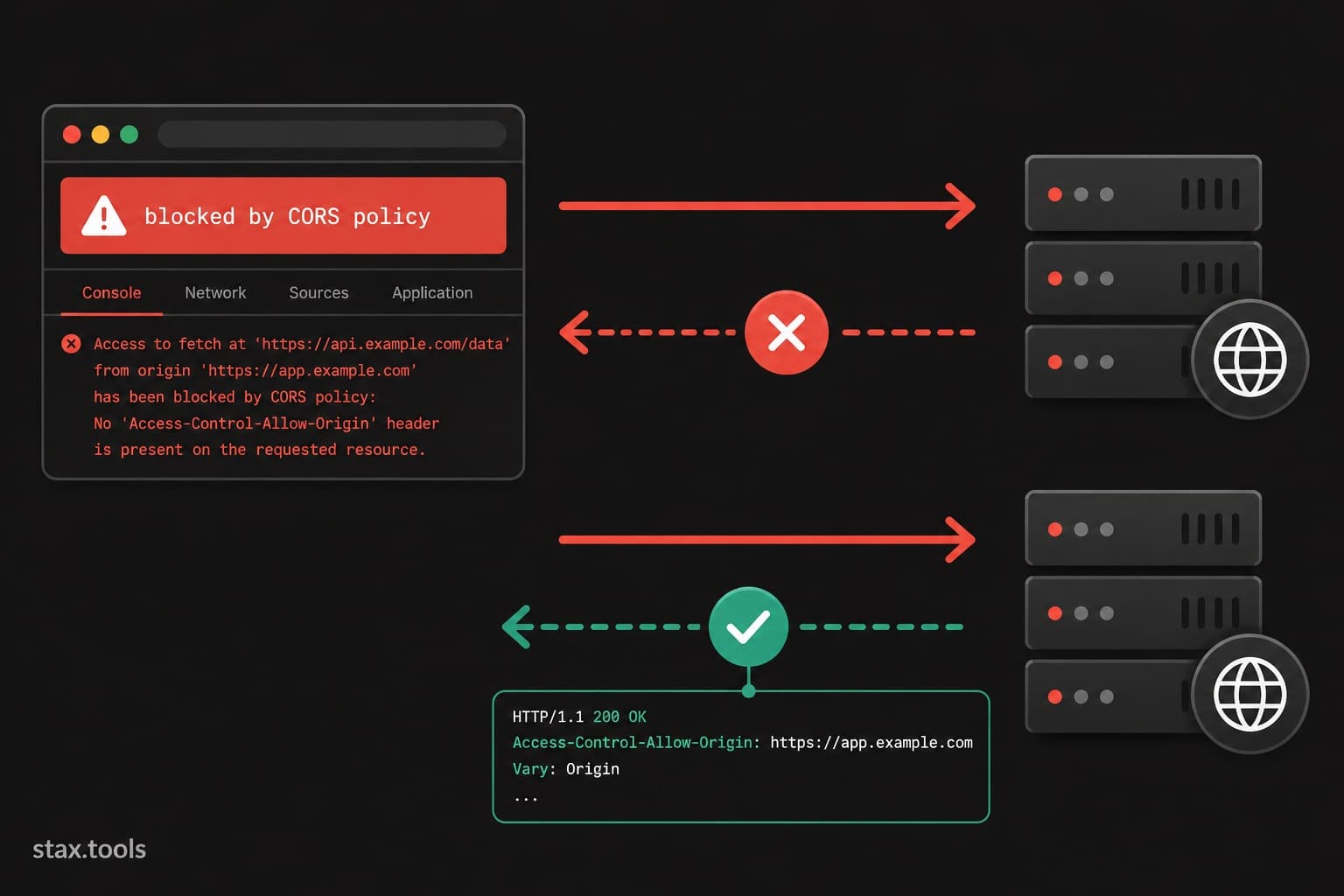
CORS Errors Explained: Why Your Browser Blocks the Request (and the Exact Headers That Fix It)
A scenario-first walkthrough of how CORS works — why the Same-Origin Policy exists, what each CORS error message means, preflight requests explained, and exactly which server headers fix the problem.
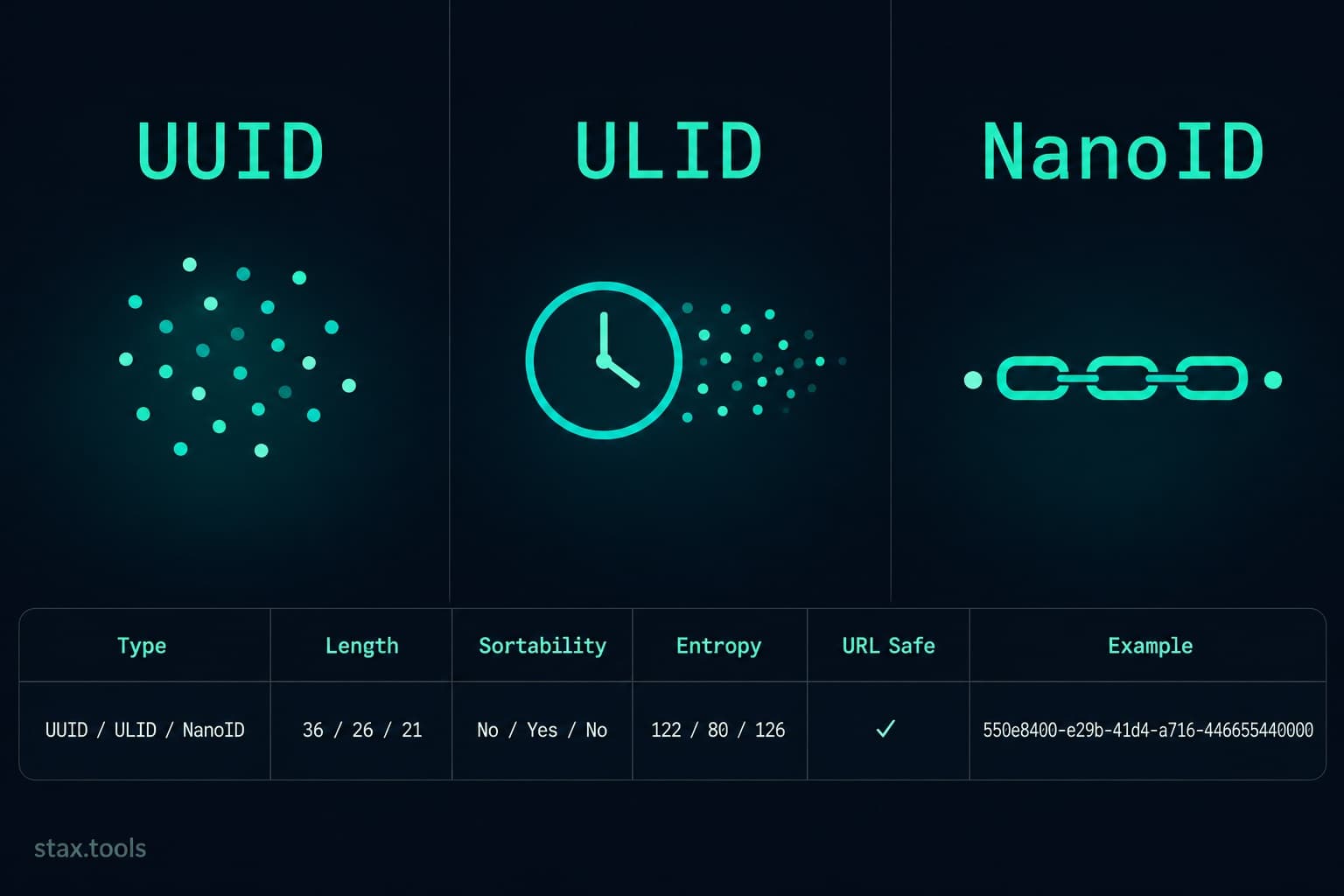
UUID vs ULID vs NanoID: Which Random ID Format Should You Use in 2026?
Side-by-side comparison of UUID v4, ULID, and NanoID — format, length, sortability, collision probability, database performance, and a decision guide for your next project.

How to Generate a Strong Password (And Why You Don't Need to Remember It)
What makes a password truly secure, how entropy works, why 'P@ssw0rd' is weaker than 'correct-horse-battery-staple', and how to use Stax's browser-based password generator and strength checker without your passwords ever leaving your device.

How to Create a QR Code for Any URL, WiFi, Contact, or WhatsApp Number — Entirely in Your Browser
Step-by-step guide to generating QR codes for URLs, WiFi networks, contacts, WhatsApp links, and plain text — no signup, no upload, no server. Everything encodes locally in your browser.
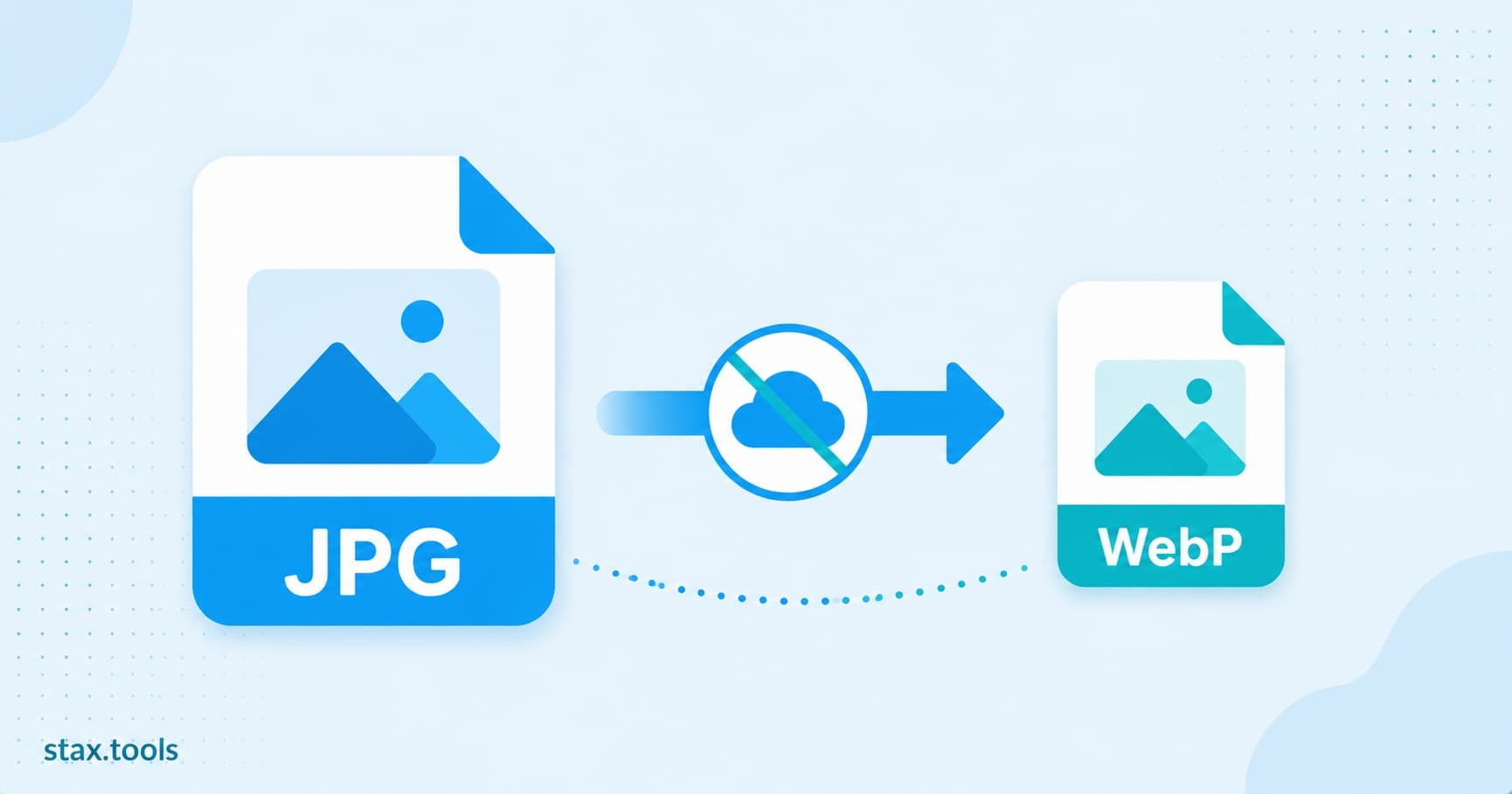
How to Convert Images to WebP Without Uploading: Complete Guide
WebP images are 25–35% smaller than JPG at the same visual quality. Here's how to convert entirely in your browser — no upload, no account, no file size limits — plus when WebP is the wrong choice.
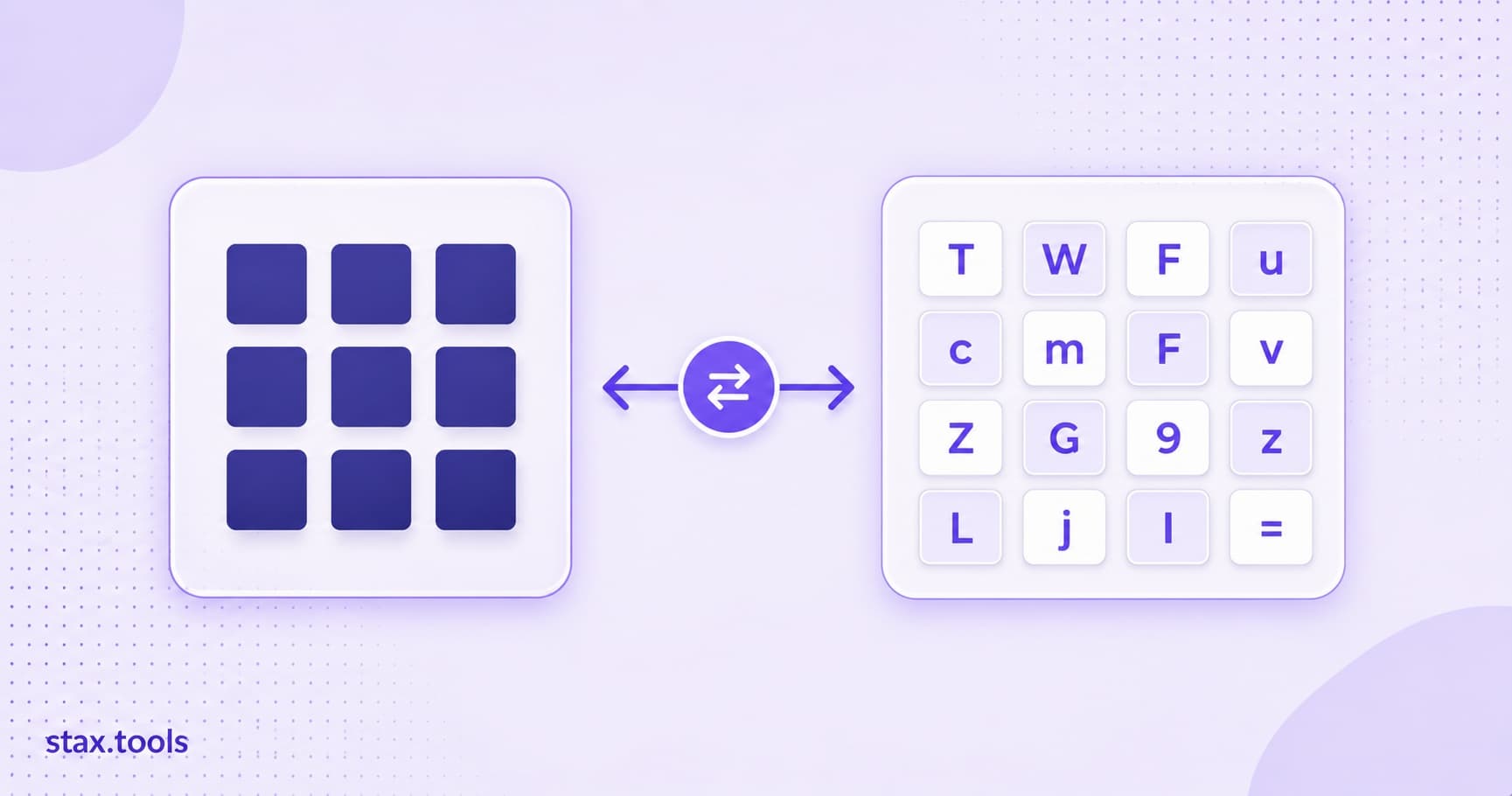
Base64 encoding explained: what it is, when to use it, and when not to
Base64 turns binary data into text so it can travel safely through text-only channels. Here's how it works, where it's used, and the mistakes developers commonly make with it.

What is a JWT? How to decode and verify JSON Web Tokens
JWT tokens are everywhere in modern web auth — but what's actually inside them? Learn to decode, read, and verify JWTs instantly without installing anything.

How to minify CSS and JavaScript without a build tool
You don't need Webpack, Vite, or a Node.js pipeline to minify CSS and JavaScript. Here's how to shrink your assets in the browser, on the command line, or inside your editor.
Regex cheat sheet: the patterns every developer needs to know
A practical regex reference covering character classes, quantifiers, groups, lookaheads, and the 12 most useful patterns for everyday development — with live examples.

SHA-256 vs MD5: which hash algorithm should you use?
MD5 is everywhere — and broken for security. SHA-256 is the modern default. Here's what the difference actually means for your code, files, and passwords.

How to Merge PDFs Without Uploading Them Anywhere (2026 Guide)
Combine multiple PDFs into one — in your browser, without uploading them to any server. Works for invoices, contracts, bank statements, and scanned IDs.

PNG vs JPG vs WebP vs AVIF: Which Image Format Should You Use in 2026?
A practical 2026 guide to choosing between PNG, JPG, WebP, and AVIF — with file-size benchmarks, browser support, and when each one wins.

How to Send a WhatsApp Message Without Saving the Number (2026 Guide)
Three reliable ways to message someone on WhatsApp without adding them to your contacts — using wa.me links, QR codes, and click-to-chat buttons.
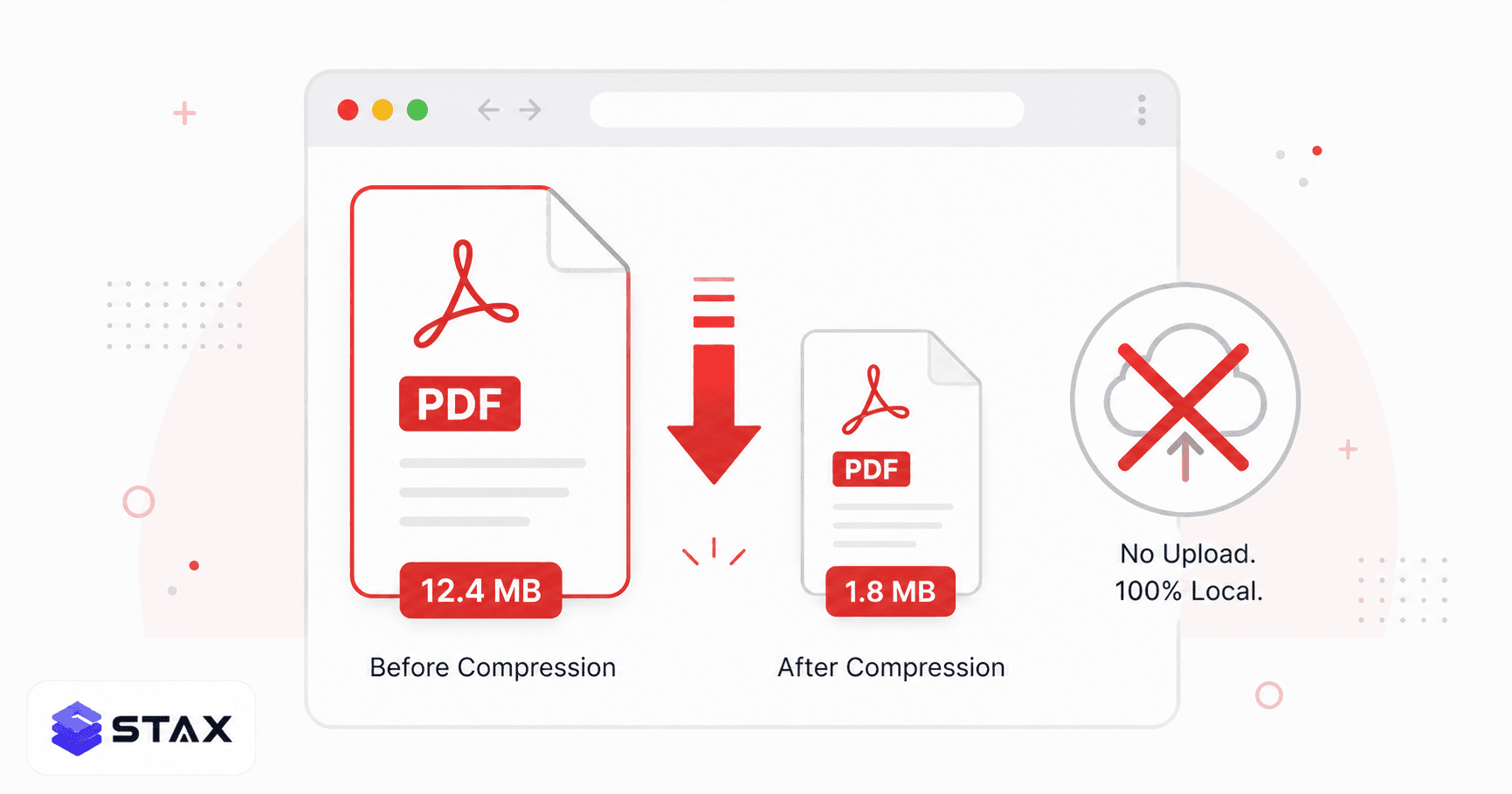
How to Compress a PDF Without Uploading It Anywhere
Most PDF compressors upload your file to a server. Here's how to reduce PDF size entirely in your browser — free, private, and with no file size limits.
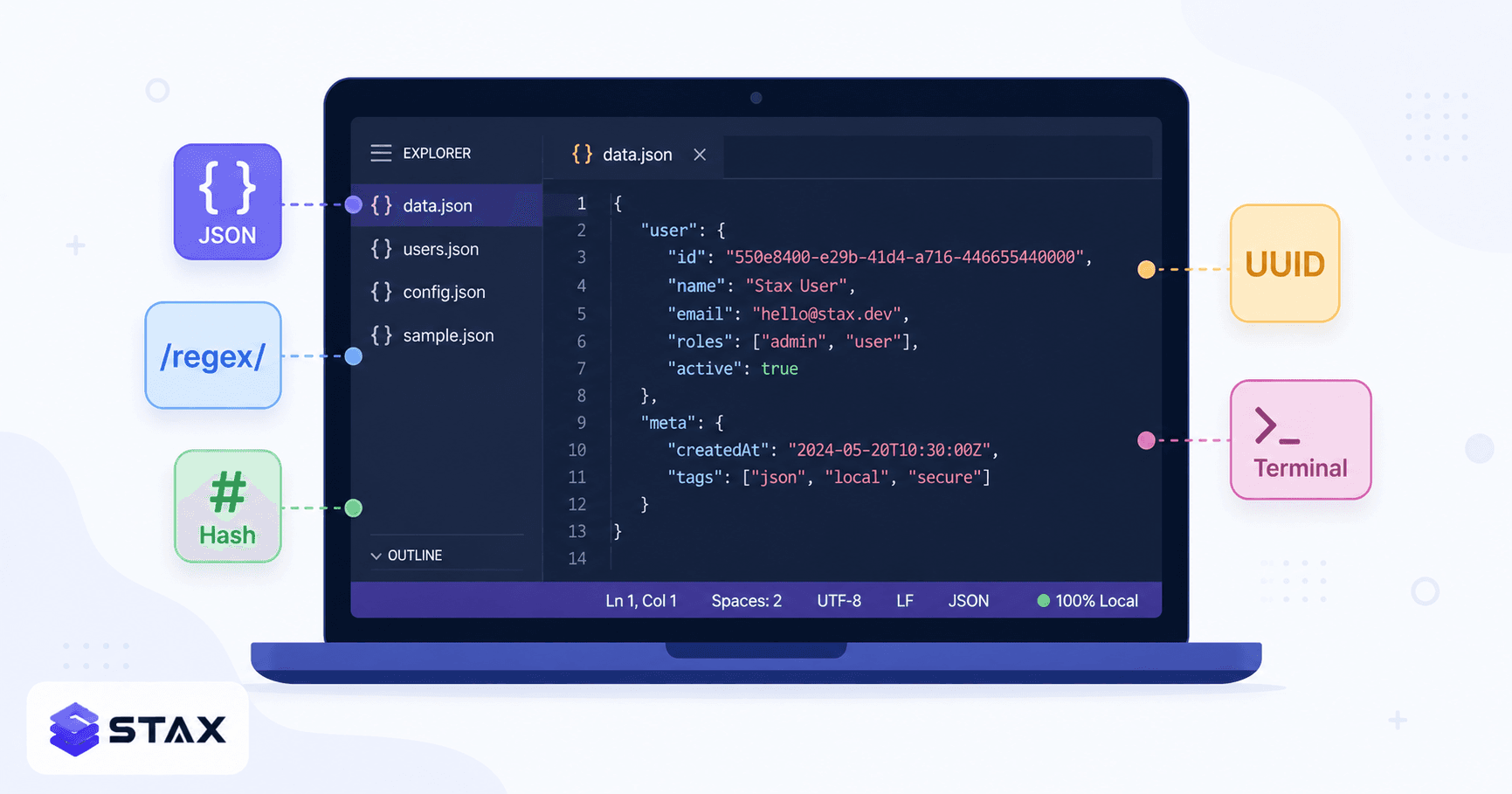
Developer Tools for Beginners: 12 Browser-Based Utilities You'll Use Every Day
You don't need to install anything to use these developer tools. They run in your browser, handle the tasks you'd otherwise Google, and work on any device.

10 Browser-Based Alternatives to Cloud Tools That Don't Upload Your Data
Every tool on this list runs entirely in your browser. No uploads, no server processing, no account required. Your files and data stay on your device.
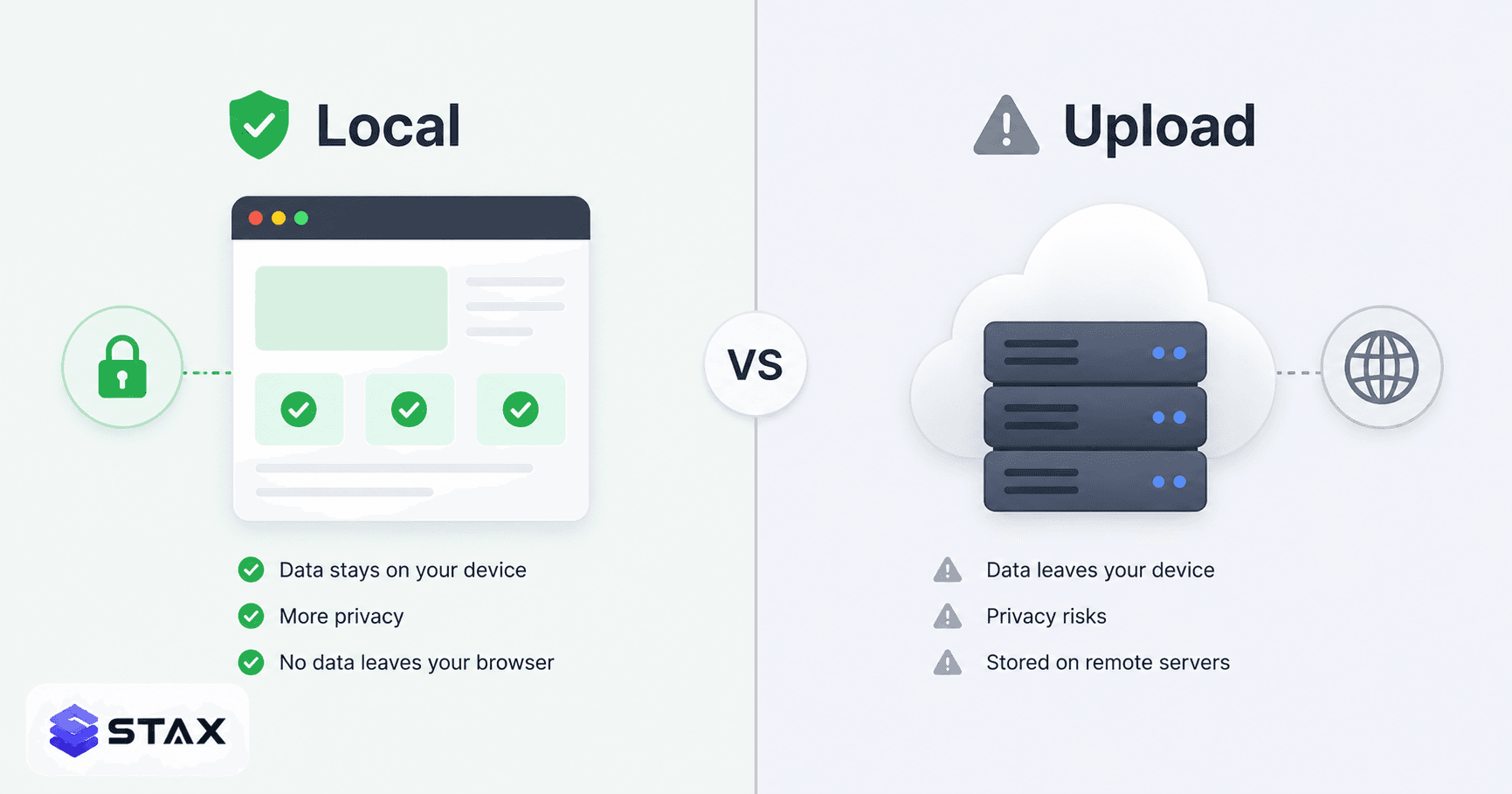
Stax vs Smallpdf vs JSONLint vs TinyPNG: when does browser-only beat cloud SaaS?
Five honest comparisons between Stax tools and the popular cloud-based SaaS alternatives — where each wins, where each loses, and how to verify the privacy claims for yourself.

Cookie consent in 2026: what changed and what site owners need to do
Google Consent Mode v2, IAB TCF v2.2, and the EU's Digital Markets Act all hit production in the last 18 months. Here's what site operators actually need to ship to stay compliant — and keep AdSense revenue.

How to format JSON without uploading data anywhere — a 2026 guide
Most online JSON formatters quietly send your data to a server. Here's why that's risky for production data, and how to format JSON entirely in your browser.

Why we built Stax Tools
235+ free online tools that all run in your browser — here's why we built them and how they're different from the rest.